

At some point, most parents start to wonder:
- “Will my child need braces someday?”
- “Are their teeth coming in the right way?”
- “When should I schedule my child’s first orthodontic appointment?”
These are incredibly common questions, and you’re not expected to have all the answers.
That’s exactly why the American Association of Orthodontists recommends a child’s first orthodontic checkup around age 7. At this stage, your child’s smile is still developing, and small signs can give us valuable insight into how their teeth and jaws are growing.
Your Board-Certified Children’s Orthodontist in NYC
At Fellow Orthodontist in Union Square, Manhattan, we’ve built an orthodontic experience designed for busy NYC lifestyles, with advanced technology and fewer in-office visits.
Because of that, many parents are surprised to learn that we don’t just treat adults; we also provide orthodontic care for kids and teens.
Dr. Lin is a board-certified orthodontist with advanced training in dentofacial orthopedics. This expertise gives him a deeper understanding of how teeth and jaw development work together, and when early, proactive treatment can make a meaningful difference.
If you’re a parent in Manhattan or NYC wondering whether your child may need braces, you’re in the right place.
Below are five common signs parents often notice at home, and what they could mean for your child’s smile:
TL;DR: Signs Your Child Might Need Braces
- Baby teeth falling out too early or too late can affect how adult teeth come in.
- Large or uneven gaps between teeth may need monitoring.
- Thumb sucking or pacifier use beyond age 4 can impact bite and jaw development.
- Noticeable bite issues like an overbite or underbite may benefit from early guidance.
- Crooked, crowded, or overlapping teeth can make cleaning harder and affect alignment.
- Not every issue requires immediate treatment; many children are simply monitored over time through our observation program.
- Braces aren’t the only option anymore. Dr. Lin offers Invisalign® First for growing smiles.
- It’s best to schedule your child’s first orthodontic exam around age 6–7 for early insight.
Sign #1: Baby Teeth Falling Out Early (or Not Falling Out on Time)
The timing of baby teeth falling out plays an important role in how permanent teeth come in.
You might notice:
- Baby teeth falling out before age 4
- Baby teeth have not started to loosen or fall out by age 7
- Adult teeth coming in behind or around baby teeth
When baby teeth are lost too early, nearby teeth can shift into that space, making it harder for permanent teeth to come in properly. On the other hand, if baby teeth stay too long, they can block or misguide incoming teeth.
If you notice your child losing teeth very early or not losing them on time, it’s a good idea to check in with your pediatric dentist to rule out any underlying concerns.
It’s also important to schedule your child’s first orthodontic exam around age 6 or 7. This allows our board-certified Union Square children’s orthodontists to monitor how the teeth and jaws are developing and step in early if needed.
Sign #2: Noticeable Gaps or Spacing Between Teeth
Some spacing is actually a good thing, especially in younger children. It can mean there’s room for larger adult teeth to come in.
However, larger or uneven gaps may be worth a closer look.
You might notice:
- Wide spaces between front teeth
- Gaps that don’t seem to be closing over time
- Food frequently getting stuck between teeth
Spacing can be influenced by jaw development, missing teeth, or natural tooth size. An orthodontic evaluation can help determine whether spacing is part of normal growth or something that may need guidance.
Sign #3: Thumb Sucking or Pacifier Use Beyond Age 4
Thumb sucking and pacifier use are completely normal in early childhood, but when these habits continue past age 4, they can start to affect how the teeth and jaws develop.
You might notice:
- Front teeth beginning to push forward
- An open bite (where the front teeth don’t touch)
- Protruding front teeth that stick outward
- Changes in the shape of the upper jaw
These habits apply gentle but consistent pressure on developing teeth, which can influence alignment over time. The good news is that if addressed early, these effects can often be corrected with simple, conservative treatment.
Sign #4: Bite Issues (Overbite or Underbite)
Bite issues can be some of the more visible orthodontic issues to spot.
You might notice:
- Top teeth that significantly overlap the bottom teeth (overbite)
- Bottom teeth that sit in front of the top teeth (underbite)
- Your child shifting their jaw to one side to bite comfortably
- Difficulty biting into foods like sandwiches or apples
These patterns can be related to how the jaws are growing, not just how the teeth are positioned. Early interception can be ideal for guiding jaw development and preventing more complex issues later on.
Sign #5: Crooked, Crowded, or Overlapping Teeth
This is one of the most recognizable signs for parents.
You might notice:
- Teeth overlapping or growing at different angles
- Not enough space for new teeth to come in
- Teeth that appear rotated or out of line
Crowding often happens when there isn’t enough room in the jaw for all of the teeth to fit properly. Beyond appearance, this can also make brushing and flossing more difficult, leading to a higher risk of cavities over time.
What’s Normal vs. What’s Not?
One of the most important things to know as a parent is this: Not every irregularity means your child needs braces right away.
In fact, many children benefit from simply being monitored as they grow.
For example:
- Some spacing between teeth can be completely normal
- A mix of baby and adult teeth is expected around age 7–10
- Teeth may shift and change as your child develops
The key is knowing when something is part of normal growth, and when early guidance could make a meaningful difference.
That’s where a professional orthodontic evaluation comes in.
Personalized Orthodontic Care for Kids in Union Square, Manhattan
At Fellow Orthodontist in Manhattan, NYC, Dr. Lin is your board-certified children’s orthodontist taking a thoughtful, personalized approach to early interception.
During your child’s visit, we’ll evaluate their teeth, bite, and jaw development to determine whether treatment is needed now, or if it’s best to monitor their growth over time.
If they’re not yet ready for treatment, we’ll monitor them with check-ups every 6 months or so through the Fellow Orthodontist Kids Club.
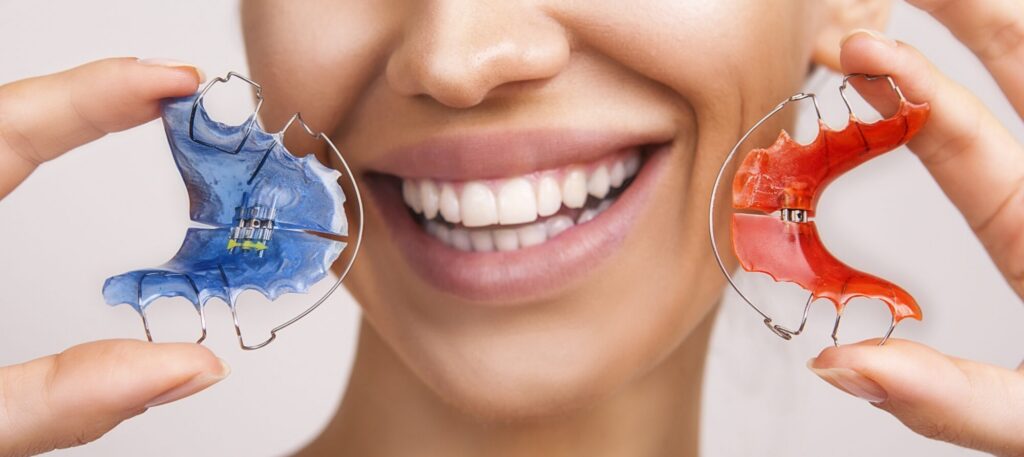
If treatment is recommended, we offer customized plans that may include braces, Invisalign First, or specialized growth appliances (like the Rapid Palatal Expander) designed to guide development in a gentle, effective way.
Our goal is simple: to help your child grow into a healthy, confident smile with the right care at the right time.
FAQs About Kids & Braces
How do I know if my child actually needs braces?
Some signs are easy to spot at home, like crowding, spacing, or bite issues. However, the only way to know for sure is through an orthodontic evaluation.
In many cases, children are simply monitored as they grow, and treatment is timed for the best results.
What age should my child see an orthodontist?
The American Association of Orthodontists recommends a first orthodontic checkup around age 7. This doesn’t mean your child will need braces or aligners right away; it simply allows us to monitor development and catch potential concerns early.
Does my child need braces if their teeth look straight?
Not always; but even if teeth appear straight, there may be underlying bite or jaw issues that aren’t as visible. An orthodontic exam helps ensure everything is developing properly beneath the surface.
What happens at my child’s first orthodontic visit?
At your child’s first visit, we’ll evaluate their teeth, bite, and jaw development. We’ll let you know whether treatment is recommended now or if it’s best to monitor their growth over time. You’ll leave with clear answers and a plan moving forward.
If my child needs treatment, will they get braces right away?
Not necessarily. Many children don’t need immediate treatment and are placed in a monitoring program instead. If early treatment is recommended, it’s typically because it can guide growth and prevent more complex issues later on.
What types of orthodontic treatment are available for kids?
Depending on your child’s needs, treatment may include braces, Invisalign First, or specialized growth appliances designed to guide jaw development. Every plan is personalized to support healthy, long-term results.
Can early orthodontic treatment prevent braces later?
In some cases, early treatment can reduce the need for more extensive treatment later. Early orthodontic treatment is often completed in two phases.
Phase I orthodontics serves to prepare the mouth for permanent teeth, typically using specialized appliances like the palatal expander.
Phase II orthodontics may be completed after Phase I, with the purpose of aligning and straightening teeth permanent teeth. This often involves braces or Invisalign.
Schedule Your Child’s Orthodontic Consultation in Union Square, Manhattan
If you’ve noticed any of these signs, or simply want expert guidance, we’re here to help.
Dr. Lin and our team at Fellow Orthodontist in Union Square provide personalized orthodontic care for kids, teens, and adults throughout Manhattan and NYC.
Schedule your child’s consultation today to get clear answers, early insight, and a plan you can feel confident about.